The dogs parade the halls like rockstars.
Walk down the corridors of a modern hospital today, and you might meet charismatic therapy dogs and their human handlers visiting with patients, families, and staff. These canine volunteers, with their human colleagues, are a new generation of therapy dogs bringing animal-assisted interventions (AAI) to health care. They have gained increased acceptance as an integrated part of the modern healthcare team.
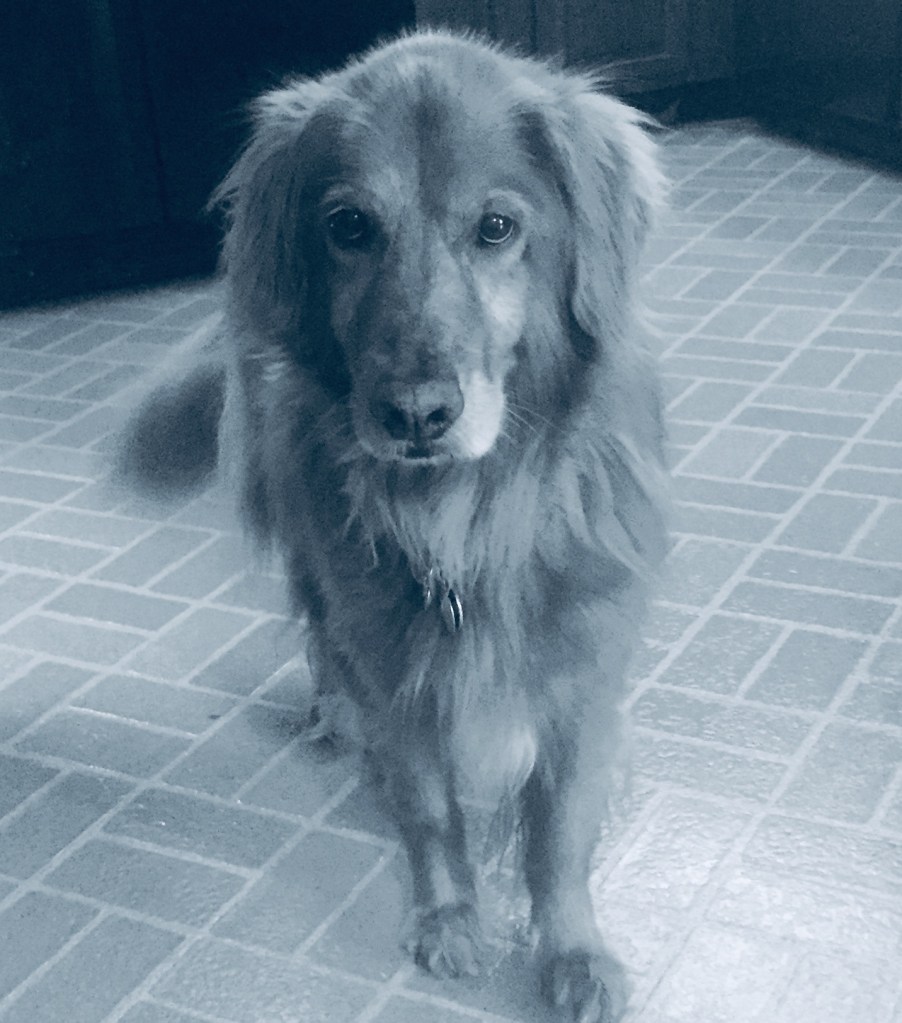
Animal-assisted intervention (AAI) is a goal- oriented and structured intervention that intentionally includes or incorporates animals in health, education, or human service (e.g., social work) for the purpose of therapeutic gains in humans.(1)
That sounds like a big job for dogs. How do they do it?
Dogs transformed healthcare processes and opened new ways of thinking about mental health, psychotherapy, public health, nursing, and the untapped possibilities of human-animal collaboration in modern health care. Our canine companions showed us how to listen, reduce our stress, and reduce the stigma of talking about mental health issues and how to help heal our physical and psychological wounds.
Humans watched our dogs, and we learned.
As humans discovered dogs’ healing and teaching potential, our partnership with canines evolved, and our view of what was possible in interspecies collaboration expanded. As documented studies emerged, healthcare professionals became more interested in the impact of the human-animal bond on human healthcare. Physicians, health professionals, and the public began to see the connection between the human-animal bond and human health.
Observers have noticed for decades the positive effect animals can have on people’s well-being. Early pioneer Florence Nightingale noted the beneficial effect of animals on the ill, and psychiatry giant Sigmund Freud and child psychologist Boris Levinson noticed that their dogs, Jofi and Jingles, could facilitate psychotherapy. Florence Nightingale, an animal lover from childhood, was an early advocate of animal-assisted therapy.
In Notes on Nursing, her classic treatise on nursing, Nightingale outlined basic concepts of care of the sick and nursing practice and the benefit of animals in the care of the sick.
Jofi and Jingles, the dogs of psychotherapists Sigmund Freud and Boris Levinson, inspired change in psychotherapy. Freud and Levinson observed that their dogs could have a calming effect on their patients in the therapy room and could help humans identify and express feelings and fears. His dog Jingles inspired Levinson so much that the psychologist later dedicated his classic book, Pet-Oriented Child Psychotherapy, to Jingles. In 1969, Levinson’s book was the first to document the techniques of using animals in psychotherapy.
A Love Connection

But why do dogs help us?
Most of us who enjoy life with a companion dog have probably been tempted to claim that Rover or Fluffy is crazy about us. We can tell the way they look at us, even when we are not holding a double cheeseburger. There may be science to prove it.
In a 2015 study(2) published in the journal Science, researchers found that when dogs gaze into their special human’s eyes, and the human gazes back, an increased concentration of the hormone oxytocin is produced and exchanged between the human and dog. Oxytocin is essential in familial bonding and promotes feelings of attachment. The study showed that humans might feel affection for dogs similar to that for family members.
The human-animal bond interaction is a unique interspecies form of attachment. Throughout history, people have reaped the benefits of this unquestioned devotion and attachment and struggled to understand it.
Paws on the Healthcare Frontline
Therapy dogs today join health professionals in the modern healthcare setting to connect with patients, and staff who may benefit from the human aminal bond in a complex environment. These canine workers are unique in a hospital environment in their ability to touch people physically and psychologically. Many patients, staff and families benefit from the touch and comfort therapy dog can provide.

When my own dog Junior and I worked as a therapy dog team, Junior taught me so much about the importance of touch, listening, and quiet caring in my own healing journey and that of others.
Dogs are changing health care. We owe it to them to learn how we can continue to help each other and tell our stories from the frontlines of healthcare.
This post is an excerpt from Jill Schilp, Dogs in Health Care: Pioneering Animal-Human Partnerships(Jefferson, North Carolina, McFarland, 2019) 118-146.
Notes
1 International Association of Human- AnimalInteractionOrganizations. The IAHAIO Definitions for Animal Assisted Interventions and Guidelines for Wellness of Animals Involvedin AAI [IAHAIO White Paper]. 2014; updated for 2018. http:// iahaio. org/ wp/ wp-content/Uploads/ 2018/ 04/ iahaio_ wp_ updated- 2018-final. Pdf.
2Nagasawa,Miso, Shouhei Mitsui, Shiori En,Nobuyo Ohtani, Mitsuaki Ohta, Yasuo Sa -kuma, Tatsushi Onaka, KazutakaMogi, andTakefumi Kikusui. “Oxytocin-Gaze PositiveLoop and the Coevolution of Human- DogBonds.” Science 438, no. 6232 (2015): 333–36. doi:10.1126/science.1261022.

 Jill Schilp Writes